
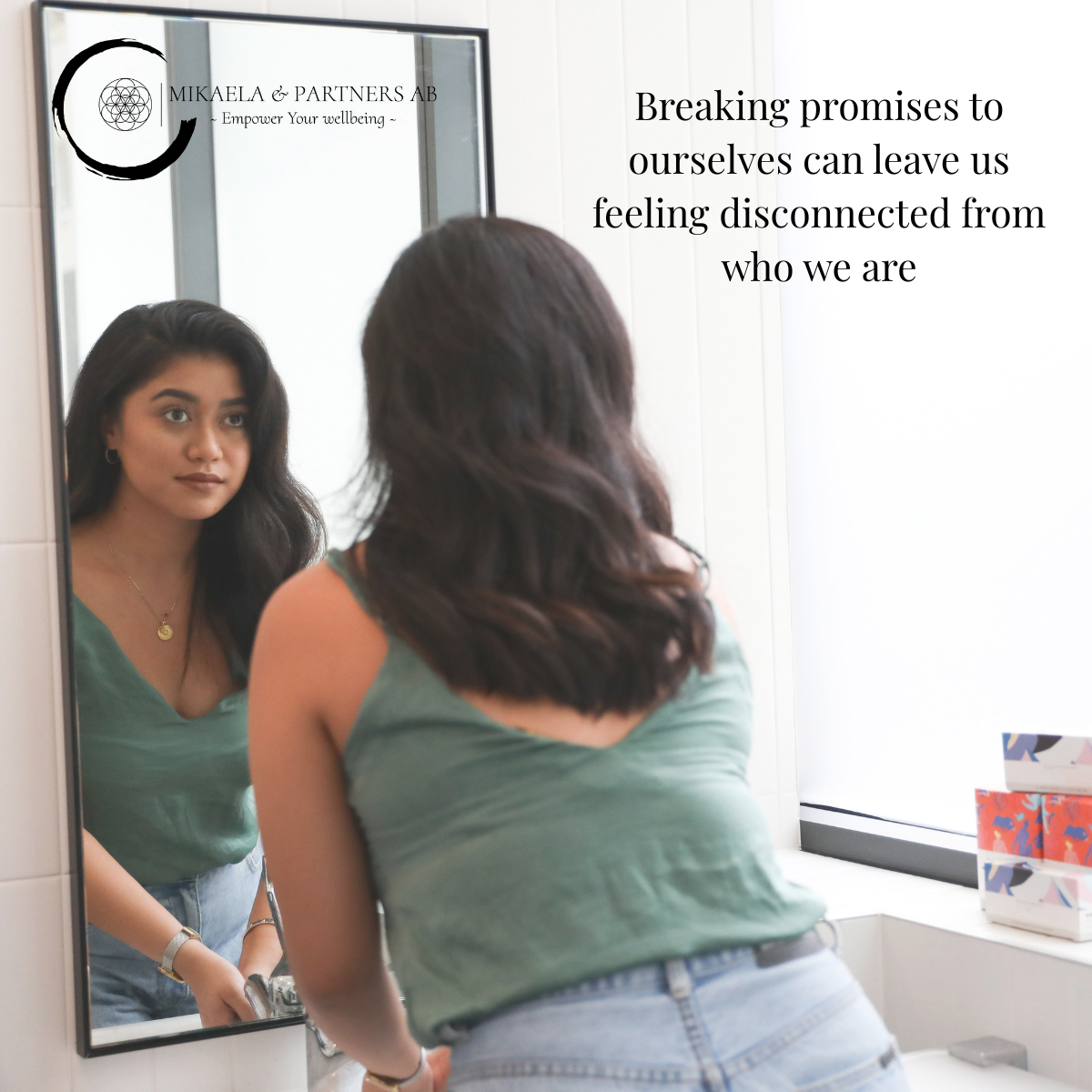
The respect we expect from others starts with ourselves
Self-respect is the internal appreciation of your own dignity, worth, and character. It is the way you value yourself, not because of what you have achieved or what others think of you, but because of who you are. It is reflected in how you treat yourself, the choices you make, and whether your actions align with your values.
Unlike external validation, self-respect comes from within. It is grounded in your character, your beliefs, and your willingness to honour yourself, even when it is difficult.
Looking inward, however, is not always easy. Reflecting on our values and actions can sometimes uncover mistakes, regrets, or behaviours that no longer align with the person we want to be. While this can be uncomfortable, self-respect is not about being perfect—it is about being honest with yourself, learning from your experiences, and having the courage to change. Sometimes, self-respect begins with a simple but powerful decision: "No more."
In this article, we will explore how self-respect forms the foundation of self-worth, what self-respect looks like in everyday life, practical ways to cultivate it, and the positive impact it can have on your relationships, wellbeing, and overall quality of life.

When We Start Loving Ourselves, Everything Changes
When we think about love, how often does our mind immediately jump to romantic love with another person?
We watch so many rom-coms where the guy gets the girl or the girl gets the guy. It’s often made to seem like romantic love is something we should always strive for. Romantic love is important for society and for individuals, as it can enrich a person’s life. But there are also other types of love that matter just as much—parental love, platonic love, and so on.
But what about the love that comes from within yourself?
Self-love - the love you build from within is a powerful type of love that can completely change your trajectory in life. It is important for your mental wellbeing, and it does not depend on other people’s emotions or validation.
Self-love is not always shown in the media, and it is often overlooked or neglected. But the truth is, it is essential because it forms the foundation for all other types of love. If you cannot love yourself, how can you truly show love to others? If you cannot respect yourself, how can you treat others with respect?
To love others fully, you first have to start with love from within.
Self-Prioritization and the Courage to Honor Your Needs
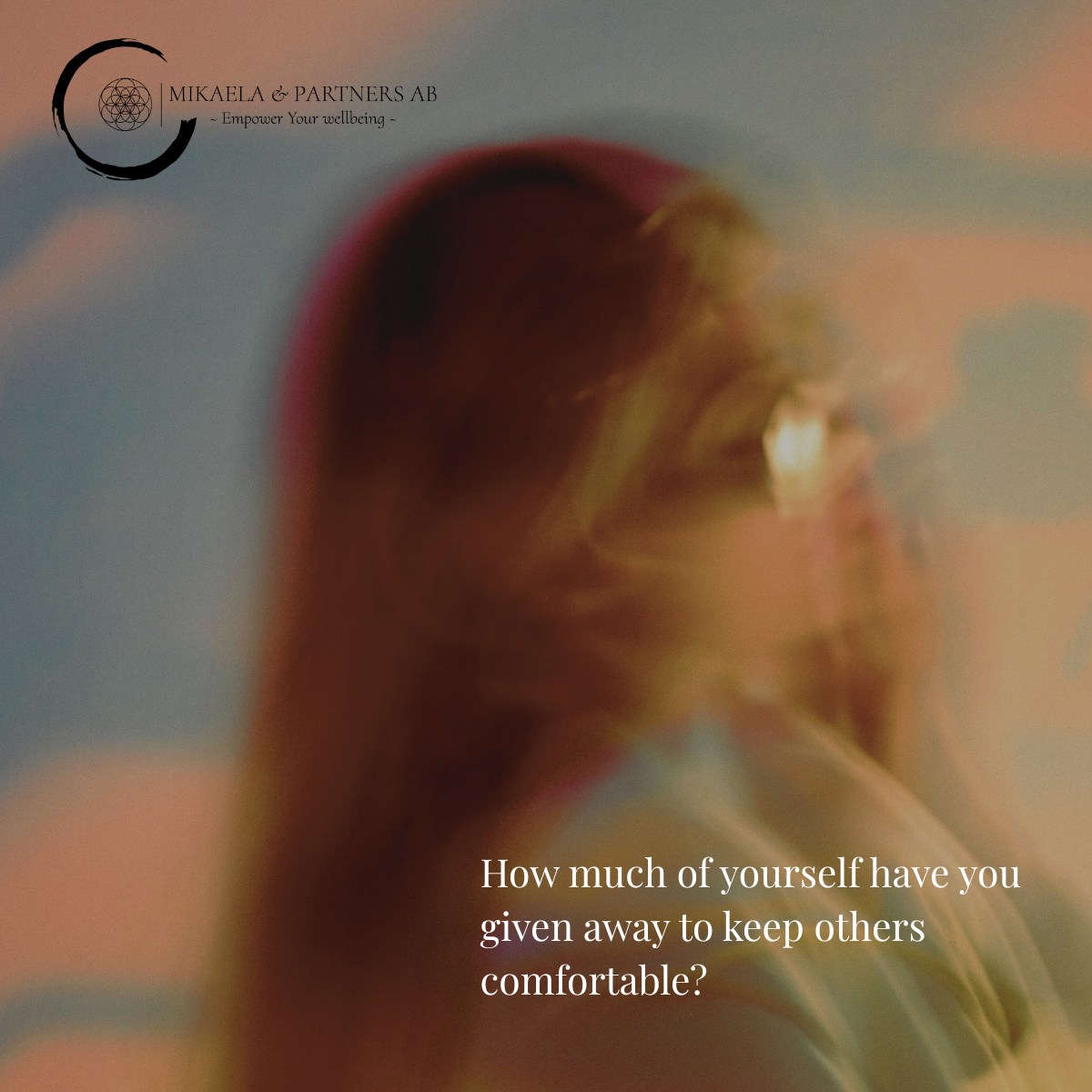
There comes a point in many relationships when exhaustion replaces connection. When we spend so much time caring for everyone else that we disappear from our own lives, we become the understanding one. The accommodating one. The person who always forgives, always adjusts, always stays soft even when our own needs remain unmet.
At first, it might feel like love. We tell ourselves that being selfless is a virtue, that prioritizing others makes us worthy of being loved. So we silence our discomfort to avoid conflict. We overextend ourselves in friendships, romantic relationships and family dynamics because disappointing others feels heavier than disappointing ourselves. But choosing ourselves is not about loving others less. It is about abandoning ourselves less.
Are you overworking or hardworking? Here is how to tell
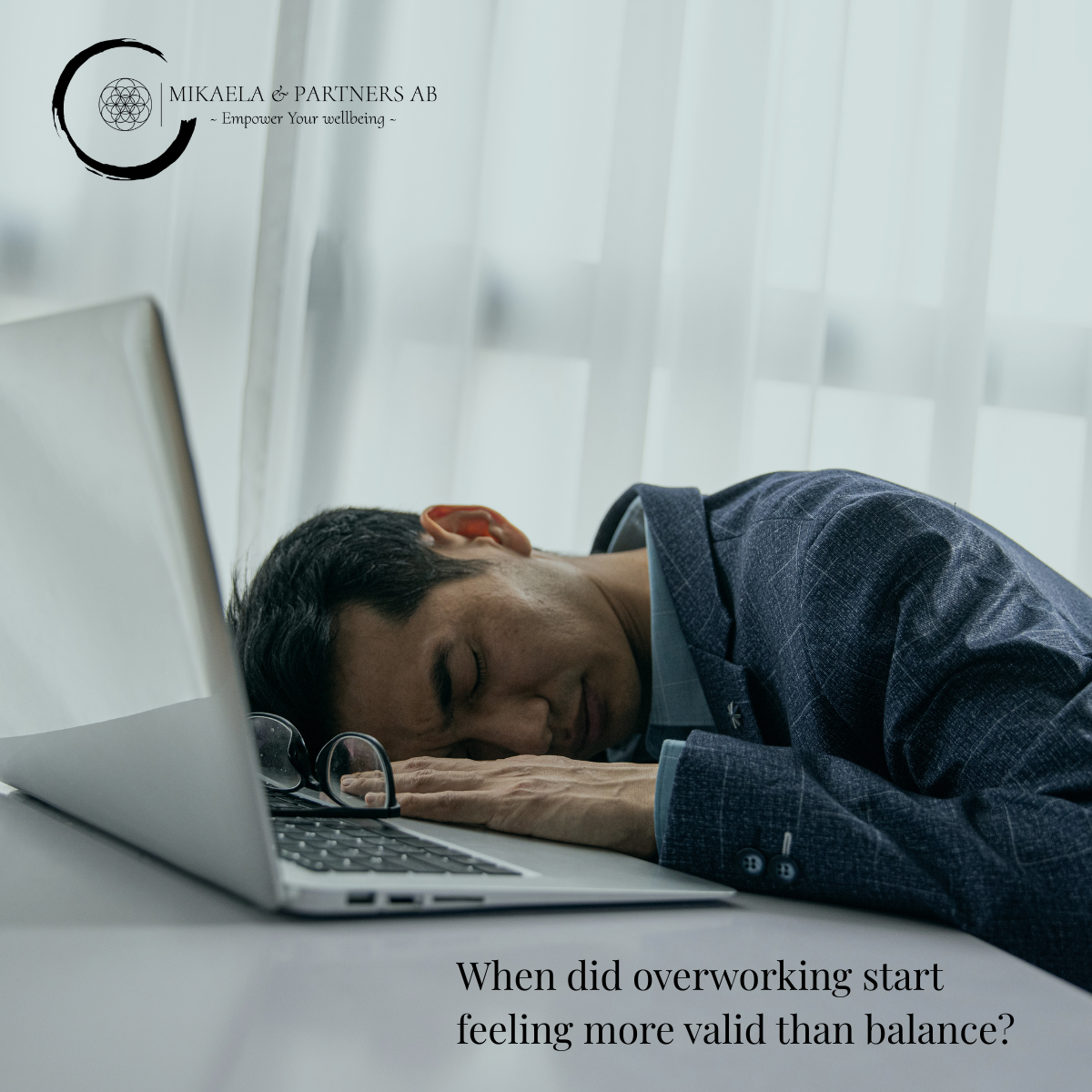
How do you experience your work life? long hours, constant pressure, sacrifice, discipline, ambition? What about internally? How do you feel inside?
Many of us learned to use suffering as proof of effort. If we are exhausted, stressed, overwhelmed or constantly sacrificing ourselves, then our work feels more legitimate. Pain becomes evidence that we are serious. But if the process feels balanced or sustainable, a strange guilt appears. We start wondering whether we are actually trying hard enough. Being “busy all the time” has become a status symbol. People wear stress like proof of importance, almost as if destroying yourself for your work is the highest form of dedication. In this context a question arises; why do so many of us feel the need to earn our worth through exhaustion in the first place?
“Purpose” of Life: One Big Calling or One Big Trap?
“What would you like to do when you grow up?” How old were you when you first heard a question like that?
From a young age, we are taught to believe that somewhere out there, there is one great purpose waiting to be discovered for us. Society romanticizes the idea of a one big purpose like something that gives life meaning. We are told that the truly fulfilled people are the ones who have “found their purpose,” while the rest of us remain unfinished, still searching for the missing piece.
But this belief comes with a pressure that many of us carry. If purpose is supposed to define our lives, what happens when we do not know what ours is? People begin to feel lost because they cannot clearly explain who they are or why they are here. In a world obsessed with productivity and passion, not having a clear purpose can start to feel like personal failure. Maybe that is why so many people spend their lives chasing meaning as if it exists somewhere far in the future. But let’s pause for a moment and ask: what if the real trap is believing that life was only ever meant to have one big purpose?
Rejection Begins With “No,” But Rarely Ends There
You got rejected with a “No”, how do you feel? “No” from a person. “No” from an opportunity. “No” from a relationship, a dream we hoped would finally choose us. It hurts a lot! The meaning we attach to it can ruin our days. One moment can suddenly make us question our worth, our identity and the way we see ourselves.
Rejection has a strange way of feeling deeply personal. It is not only in the mind. It lives in the body too. A tight chest. A sinking stomach. Restless thoughts replaying conversations. Even silence can begin to feel loud after rejection. We start searching for explanations. We will try to understand what was wrong with us, what we should have done differently or why we were not enough for someone or something to stay. The question is not whether rejection will happen because it will. The real question is what happens within us after it does?
Friend or Enemy?: Our Mind Is Not the Problem, But Our Relationship With It Is
Have you ever been told that you JUST need to control your mind to make everything feel easier?
You might also have the same assumption that if we could silence anxiety, stop overthinking or erase painful memories, then peace would naturally follow. So we fight. We argue with our thoughts, judge our emotions and treat the mind like an enemy that keeps sabotaging us from within. But is it really like that?
When suffering shows up, the mind is often the first thing we blame; my thoughts are ruining me! My anxiety is the problem! If only my brain worked differently, I would be okay! It can feel as if there is a war happening inside us. With one part trying to survive and another part constantly getting in the way.
The Unseen Side of You: Self Destruction and Breaking Things
We are always shown the pretty version of growth and inner development. Where everything falls into place and healing feels calm. Becoming “better” looks smooth and easy. But have you ever heard about the mess it creates? The parts of you that do not grow but break.
The truth is, growth will ask us to leave things behind. Not just bad habits but also parts of our identity. The way we think, the way we react, the way we see ourselves. And when those things start to break, it does not feel like progress at all! It feels like losing control and it can be painful.
You Know Your Boundaries, So Why Don’t You Set Them? Boundaries in Practice
Do you know your boundaries?
Imagine you are already tired after a long day. Someone ask you for a favor. You feel a kind of immediate pull inside and think “I don't really have the energy for this.” But before you fully acknowledge it, you hear yourself say “Sure, no problem.” You smile. You adjust yourself to the plan. Somehow, you make it work. But what happened to that feeling that said no? What makes you move your need for rest so someone else’s request could take its place?
We often believe that once we understand our boundaries, we will naturally lead them to action. But in real situations that translation is not so simple. The moment moves so quickly. Emotions, expectations, and pressures are the things that most probably are going to shape our response before we fully catch up with what we know. The problem here is not about understanding our boundaries. We understand them! It is about what happens to that understanding in real time?
From Knowing to Doing: The Coaching Bridge From Awareness to Change
There is a particular moment in the journey of personal development. You understand your patterns. You can name your reactions. You even recognize the inner voice when it shows up. And yet, in real situations, nothing feels different. In conversations, you still hesitate. In decisions, you still overthink. In relationships, you still find yourself reacting in the same ways.
This is where a new question emerges, not about awareness anymore, but about application. What changes when insight is no longer enough to shift behavior? This is where many of us get stuck: we understand more but live the same story. The shift happens when awareness starts to move beyond the mind into behavior, communication, and real-life choices.
From Self-Doubt to Self-Trust: Coaching the Echo Within
Someone once told me: “I didn’t just experience self-doubt, I heard it as an echo. It came after everything I said or did, repeating my words back to me, slightly distorted, slightly harsher. In meetings, it would arrive after I spoke. In conversations, it would repeat my sentences in my head, but with a different tone, one that made me question if I had said too much or not enough. Over time, I stopped noticing the original voice and only trusted the echo.”
Have you experienced the same echo? I did and you are not alone when it happens. That moment after you send an email, speak in a meeting, or make a decision and then something inside you starts talking: “You should have said it differently.” or “They probably think you don’t know what you’re doing.” Nothing around you has changed. But inside, everything shifts.
What’s striking is not that the voice appears. It’s how quickly we believe it. How naturally we treat it as truth rather than a thought. It feels almost automatic. As if it has always been there, quietly shaping how we see ourselves and what we believe we are capable of. And in that split second, a neutral moment becomes evidence. Not of what happened, but of who we think we are.
From Stuck to Unstoppable: How Personal Coaching Helps You See Yourself Clearly
I bet everyone has experienced this! Procrastinating on tasks you care about or endlessly weighing decisions. Are you doing all of these even though you know they are not serving you? Maybe self-doubt shows up and you feel like life is moving around you while you remain in the same place. That is what being “stuck” feels like.
It can be frustrating. It is like you are spinning your wheels, knowing what you should do but somehow not moving forward. Many of us experience this in our careers, relationships, and other areas of life. It often leaves us questioning ourselves: Why am I unable to move forward?
The Echo of Loss and How Absence Becomes Presence
We often talk about grief as if it has a timeline. As if after a certain number of months or years, the sharpness should soften. As if there is an invisible finish line where we are expected to have “moved on.” But the reality is that grief does not follow a calendar.
It lives quietly in our daily life, until a familiar song plays, or we walk past a place that carries memory in its walls. And suddenly, the feeling is there again. It does not mean we are going backwards. It does not mean we are stuck. But it means grief is there, in our bodies.
From Where Do I Act and How? Intention We Hold and Tactics We Choose
Our behavior is never only about what we do; it is about the inner state that gives rise to it. When our outer behavior fits the situation, everything looks right on the surface. The email is clear and professional. The tone is calm. The decision is rational. You respond in ways that meet expectations. From the outside, nothing appears wrong. In fact, it may look like maturity and control.
But “looking right” does not automatically mean “coming from the right place.” There can be a quiet gap between how something appears and what is actually driving it. We may be choosing our words carefully, yet internally feeling anxious. We may make a logical decision, yet underneath it is fear of disappointing someone or being judged. So over time, we may feel a sense of performing rather than inhabiting our lives.
What Does This Mean, and Can I Stay With It? The Meanings We Make and the Compassion We Cultivate
Something happens, and almost instantly, a story forms around it!
Even before the body has time to experience that moment, the mind begins asking: What does this mean? Was this a failure? A threat? Or a reflection of who I am?
This meaning-making process quietly shapes everything in our lives. The compassion we allow or deny ourselves and others grows from the interpretations we assign in these moments. It is in this space where suffering and wisdom begin. And the deeper question arises: Can I stay with this experience long enough to meet it with understanding rather than judgment?
Am I Here, and Am I True? How Presence Brings Authenticity to Our Lives
Have you ever caught yourself nodding along in a conversation, but then realized later that your mind was somewhere else entirely? Or noticed your hands typing on autopilot while your thoughts raced ahead to the next task? What about the times you had to read a page of a book over and over because you were not really present?
In such moments, a question appears: “Am I really here? Am I being true to myself?”

Breath as the Missing Link in Workplace Wellbeing and Performance
The common assumption in many organizations is that high performance comes from asking employees to do more, to think faster, and to push harder. Yet in these environments, teams often end up feeling exhausted and reactive. Work can start to feel like an endless loop of tasks, emails, and expectations that never seem to end, and leaders may notice that despite everyone's effort, clarity and focus are difficult to sustain.
A team may arrive at a meeting with clear objectives for the day, only to be pulled in multiple directions, while project lists quietly grow longer behind the scenes. By midday, employees may have responded to dozens of messages and crossed off a few items from their to-do lists; however, they still seem behind. The rhythm of work becomes reactive and tension can accumulate across the team before anyone even notices it. The solution can be simple; we can create a space to breathe!
The Weight We Carry and the Myth of “Let It Go”
“You always mess things up.” A passing comment, but it sticks. You feel it in your chest with a flutter of self-doubt. Why do people say things like this? Whatever the reason, the effect is the same: these small but sharp moments embed themselves in memory. They are not easily forgotten. They often return when we least expect them.
These kinds of experiences aren’t limited to words or comments. Some things stay with us longer than we expect: a mistake we cannot seem to forgive ourselves for, or even fear of a situation that hasn’t happened yet. Letting them go is not easy. They linger, quietly shaping the way we feel and move through the world, even when we’re told, “Just let it go.”
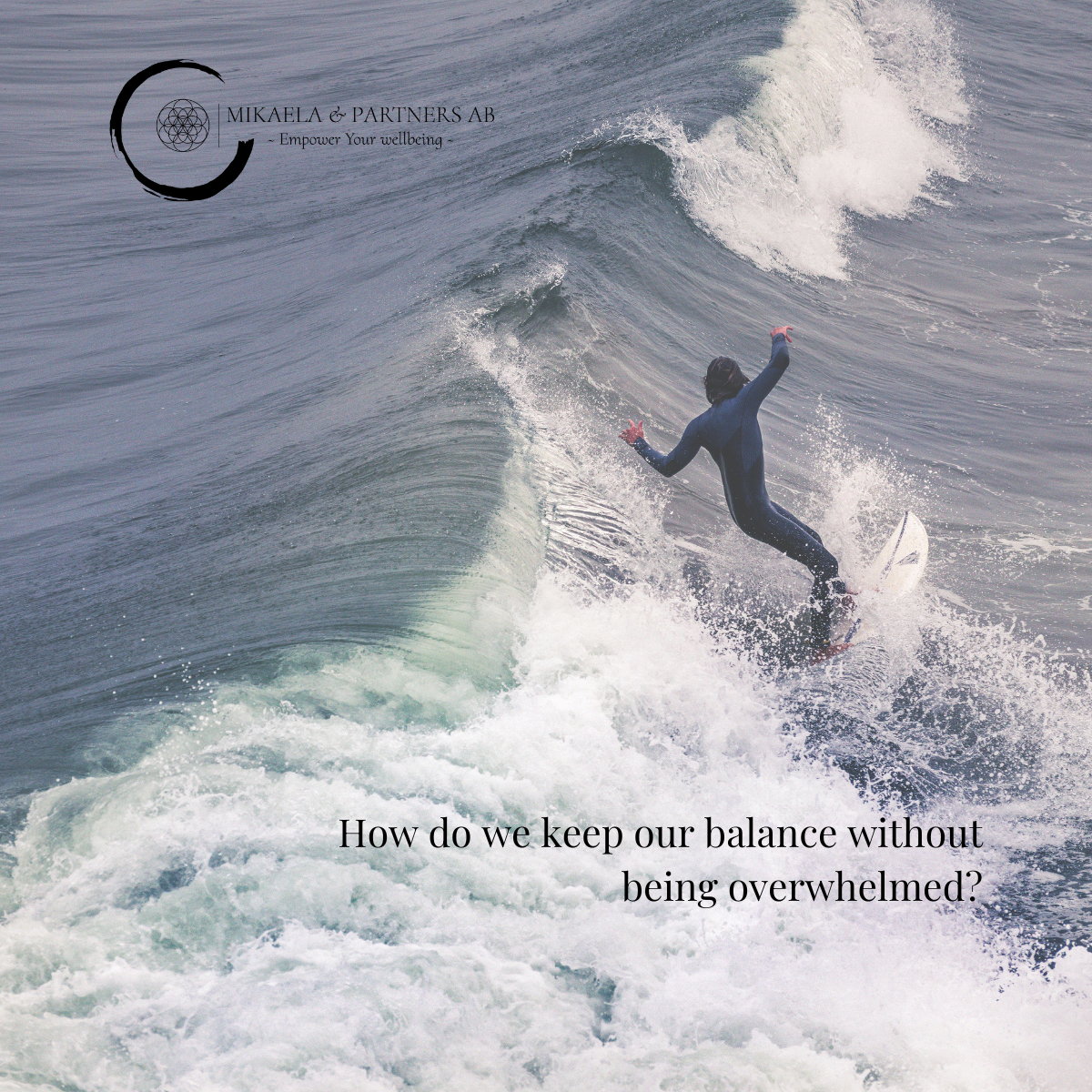
Inner Balance in Uncertain Times: News, Urgency, and the Need for Stability in a Loud World
Picture yourself in the middle of the ocean, trying to ride the waves. Waves rise and fall without asking for permission. Some gentle, some forceful. It’s not easy to keep the balance. We may feel tired, our legs might shake, our heartbeat increases, and it’s impossible to anticipate what is coming next. This could be what it feels like to experience the world today. We live in a world that rarely pauses. Notifications find their way into every space, and global events unfold in real time. This constant flow carries a weight that can quietly settle inside us, turning our inner voice into chaos.
From stillness to creation: A deeper way to relate to ourselves
In the rush of daily life, it’s easy to forget what already exists within. There is a rhythm in stepping back, in noticing our breath, our heartbeat, our thoughts. Stillness can become a space where feelings are allowed to exist and the pressure of “to do” softens. But how would our day change if we allowed this stillness to guide us?